

About IAL
The Indian Association of Leprologists (IAL) is a national professional organization dedicated to advancing the science, clinical care, rehabilitation, education, and public health aspects of leprosy in India.
Founded in 1956, IAL emerged during a pivotal period in India's fight against leprosy. The Association was established by a distinguished group of clinicians, researchers, public health leaders, and leprosy workers under the leadership of Dr Dharmendra, one of the most eminent leprologists of his time and the founding President of IAL. Other pioneering leaders included Dr A. C. Rebello, Dr P. Sen, Dr H. Shama Rau, Dr K. R. Chatterjee, Dr D. N. Bose, Dr V. V. Shenoi, Dr D. A. Lakshmana Rao, and several other stalwarts whose vision and dedication laid the foundation for scientific advancement, professional collaboration, and compassionate care for persons affected by leprosy in India.
For nearly seven decades, IAL has served as a national forum for clinicians, researchers, scientists, public health professionals, rehabilitation experts, programme managers, and all those committed to the control and eventual elimination of leprosy. The Association proudly acknowledges the contributions of its founders, past presidents, office bearers, and members whose dedication has strengthened leprosy services, advanced research, fostered professional excellence, and contributed significantly to national and global leprosy control efforts.
The objectives of IAL are to promote research, education, professional collaboration, public awareness, rehabilitation, and evidence-based approaches to leprosy care and control. These guiding principles continue to shape the mission and activities of the Association today.
IAL advances these objectives through scientific meetings, conferences, workshops, publications, consensus statements, guidelines, and collaborative research initiatives. The Association also supports capacity building and mentorship of young clinicians, researchers, postgraduate students, and allied healthcare professionals.
The Biennial National Conference of the Indian Association of Leprologists (LEPCON) serves as the flagship academic event of the Association, providing a platform for the dissemination of scientific advances and the exchange of professional experiences. In addition, the IAL Academy, the academic arm of the Association, facilitates continuous professional development through webinars, educational programmes, expert discussions, consensus-building exercises, and research collaborations.
IAL actively collaborates with governmental agencies, National Leprosy Programmes, academic institutions, ILEP, non-governmental organizations, international partners, and professional societies to strengthen leprosy services, promote innovation, and improve the quality of life of persons affected by leprosy.
As India moves towards the goal of eliminating leprosy transmission, IAL remains committed to advancing scientific knowledge, supporting evidence-based policies, promoting multidisciplinary collaboration, and contributing to national and global efforts towards the vision of Zero Leprosy.
Together, we strive for a future free from leprosy, disability, stigma, and discrimination.
MESSAGE FROM PRESIDENT IAL
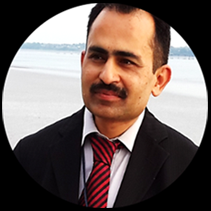
It is a great honour and privilege to serve as President of the IAL. I sincerely thank the members for the confidence they have placed in me and the newly elected Executive Committee and Central Council. We look forward to your active participation and support as we work together to advance the mission of the Association during the 2026–2028 term.
I am deeply conscious of the exemplary leadership provided by my predecessors, Prof. Dr P. Narasimha Rao and Dr Sujai Suneetha, whose vision and dedication have significantly strengthened the Association. His contributions continue to inspire us and provide a strong foundation for the future.
India has made remarkable progress in leprosy control since the introduction of multidrug therapy (MDT), achieving elimination as a public health problem at the national level nearly two decades ago. However, important challenges remain. Several districts continue to report a high disease burden, and achieving elimination at the sub-national level remains a priority. Interrupting transmission is now a key strategic objective, requiring innovative approaches alongside sustained programme implementation.
Emerging concerns regarding antimicrobial resistance and the limitations of fixed-duration MDT highlight the need for innovative, evidence-based strategies. In this regard, Post-Exposure Prophylaxis (PEP) with Single-Dose Rifampicin (SDR) and Mycobacterium indicus pranii (MIP) offer promising opportunities to reduce disease burden and interrupt transmission.
During the current term, the IAL will actively promote scientific dialogue, collaborative research, and implementation studies to evaluate and expand the use of these and other innovative strategies. We also look forward to the activities of the newly constituted IAL Academy, which will serve as the academic arm of the Association, fostering education, capacity building, consensus development, and research collaborations among clinicians, scientists, public health professionals, and trainees.
As we move forward, our priorities will include strengthening academic engagement, supporting young leprologists, promoting multidisciplinary collaboration, advocating for evidence-based policies, and contributing to national and global efforts towards a leprosy-free world. We look forward to fostering strong partnershipswith ILEP, NGOs, National Leprosy Programmes, global leprosy organisations, research institutions, and other stakeholders to advance innovation, improve patient outcomes, interrupt transmission, and work collectively towards the vision of Zero Leprosy.
The strength of IAL lies in its members. I warmly invite your suggestions, ideas, and active involvement in shaping the future direction of the Association. Together, we can build on our achievements, address the challenges that lie ahead, and accelerate our collective journey towards a world free from leprosy.
Thank you for your continued support and commitment to the cause of leprosy.
With warm regards,
Best Regards
Dr Sunil Dogra (LM/PJ/11/522)
President, Indian Association of Leprologists (IAL), 2026-2028
MESSAGE FROM HONORARY SECRETARY IAL
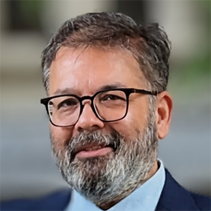
It is a profound privilege to serve as the Honorary Secretary General of the Indian Association of Leprologists (IAL) for the 2026–2028 term.
As our nation pushes forward with the National Strategic Plan and Roadmap up to 2027, our collective professional duty is clear. We must look at leprosy not as charity, but as a manageable mycobacterial disease that demands our highest clinical and scientific expertise. IAL plays an indispensable role in partnering with government bodies to translate national policies into field-level realities, particularly in strengthening active case detection, monitoring drug resistance, and deploying preventative strategies. True elimination, however, extends beyond a medical cure; we must equally prioritize comprehensive rehabilitation, social reintegration, and psychological support to address the profound mental health challenges and persistent social stigma faced by those affected..
Through the IAL Academy, we will focus on equipping the next generation with specialized skills. As members, your active involvement in community-level screening, early disability prevention, and stigma reduction is what will truly drive us toward a Leprosy-Free India.
Thank you
Regards,
Dr Tarun Narang (LM/PJ/15/918)
Honorary Secretary, Indian Association of Leprologists (IAL), 2026-2028
MESSAGE FROM HON. TREASURER IAL
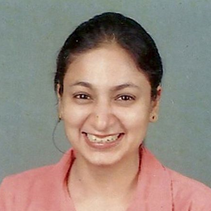
It is a privilege to serve the Indian Association of Leprologists (IAL) and contribute to its ongoing mission of advancing leprosy research, education, and patient care. I sincerely thank all members for their continued support and engagement, which remain central to the strength and impact of our Association.
Leprosy continues to provide new and important insights into the complexity of host–pathogen interactions, where disease manifestations are shaped not only by infection but by the nature and regulation of the immune response. Increasing evidence highlights that immunological dysregulation plays a critical role in disease progression and complications, particularly in reactional states such as erythema nodosum leprosum (ENL). This evolving understanding underscores the need to integrate immunopathological perspectives into both clinical management and research priorities.
Advances in immunology, including high-dimensional immunophenotyping and omics-based approaches, are opening new avenues for identifying biomarkers, predicting disease reactions, and enabling more precise patient stratification. Such approaches have the potential to complement existing control strategies and contribute to more personalized and effective interventions.
At the same time, strengthening the translation of these scientific advances into clinical and public health practice remains essential. There is a growing need for collaborative, multidisciplinary efforts that bring together clinicians, basic scientists, and public health professionals to address persistent challenges, including delayed diagnosis, reaction management, and prevention of disability.
At the same time, strengthening the translation of these scientific advances into clinical and public health practice remains essential. There is a growing need for collaborative, multidisciplinary efforts that bring together clinicians, basic scientists, and public health professionals to address persistent challenges, including delayed diagnosis, reaction management, and prevention of disability.
IAL is well positioned to support this integrated approach by fostering academic exchange, encouraging young researchers, and promoting collaborative research initiatives. Continued engagement with national and global partners will further strengthen our collective efforts toward innovation and improved patient outcomes.
As we move forward, scientific progress must be aligned with compassionate, patient-centred care. By integrating emerging immunological insights with programmatic strategies, we can contribute meaningfully to ongoing efforts to reduce disease burden and move closer to the goal of a leprosy-free world.
Show quoted text
Regards,
Dr Seema Chhabra (LM/H/21/1152)
Treasurer, Indian Association of Leprologists (IAL), 2026-2028

EMAIL ID
WEB ADDRESS
Site Powered By: